


Introduction
Over the past decade, Thailand has experienced rapid digital transformation across multiple sectors—from finance to tourism, education to e-commerce. One area that has significantly evolved is the food and retail industry, which is increasingly embracing self-ordering systems (ระบบสั่งออเดอร์สินค้าด้วยตนเอง). Whether at a fast-food chain in Bangkok, a local coffee shop in Chiang Mai, or a convenience store in Phuket, customers are now more familiar with ordering products and services through touchscreens, kiosks, or even their own smartphones.
The rise of self-ordering technology in Thailand is not just a trend but a direct response to growing consumer demands for speed, accuracy, convenience, and safety. With millions of domestic and international visitors flocking to Thailand every year, businesses are searching for ways to reduce communication barriers, cut waiting times, and enhance overall customer experiences.
In this article, we’ll dive deep into the evolution, benefits, challenges, and future of self-ordering systems in Thailand. We’ll also explore real-world examples, how businesses are leveraging this technology, and why it has become a critical component of Thailand’s digital economy.
What is a Self-Ordering System?
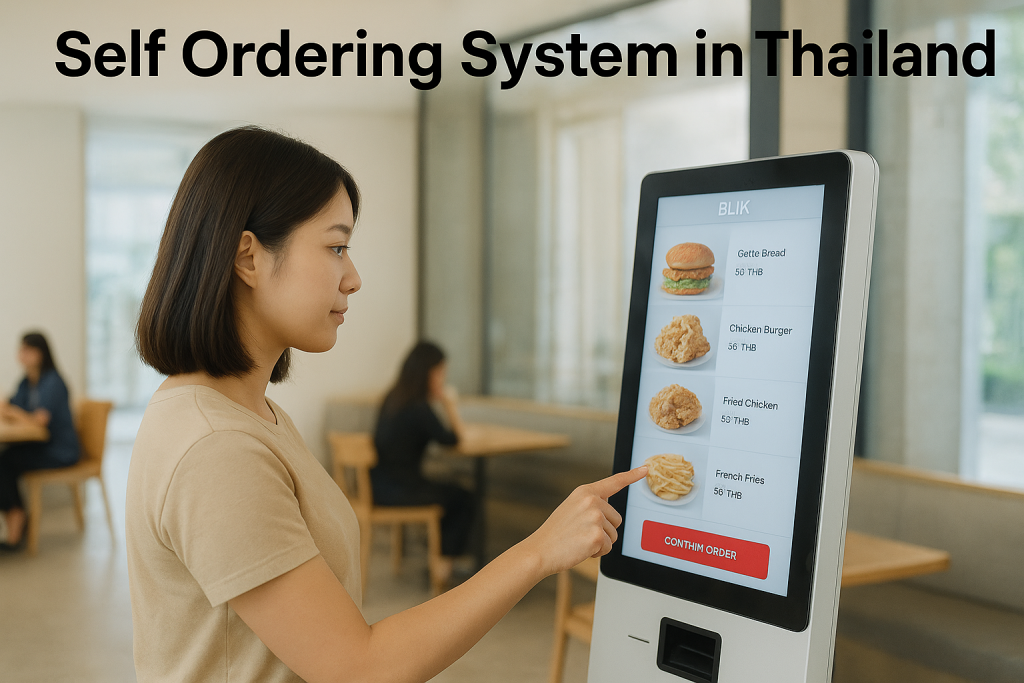
A self-ordering system allows customers to browse menus, select items, customize their orders, and complete payments without the need for face-to-face interaction with staff. This can be done through:
-
Self-service kiosks: Touchscreen devices installed in restaurants, cinemas, or stores.
-
Table-based tablets: Devices placed on dining tables for customers to order directly.
-
Mobile apps or QR codes: Customers scan a code and order directly from their phones.
-
Automated vending machines: A variation where the machine itself acts as the ordering and dispensing system.
In Thailand, this technology has become especially relevant in food service (fast food chains, cafes, fine dining), retail (supermarkets, convenience stores), and entertainment venues (cinemas, amusement parks).
Why Thailand is Adopting Self-Ordering Systems
1. Urban Lifestyle and Efficiency
Bangkok and other major Thai cities are fast-paced environments where people often seek quick meals or efficient shopping experiences. Self-ordering kiosks drastically reduce waiting times, which is a huge advantage for urban dwellers.
2. Tourism and Language Barriers
Thailand welcomes more than 30 million international visitors annually. With a diverse tourist base, language can often be a barrier. Self-ordering systems equipped with multilingual options (Thai, English, Chinese, Japanese, etc.) allow smoother transactions for foreign customers.
3. Digital-First Consumer Preferences
Thais are among the most active mobile internet users in the world. The integration of mobile payment systems like PromptPay, TrueMoney Wallet, Alipay, and WeChat Pay has made digital ordering and payments much easier.
4. Post-Pandemic Contactless Demand
COVID-19 accelerated the shift towards contactless technology worldwide. In Thailand, consumers became more cautious about physical interactions, driving demand for digital menus and self-service ordering systems.
Real-World Examples in Thailand
1. Fast-Food Chains
-
McDonald’s Thailand: Introduced self-service kiosks in Bangkok outlets to allow customers to customize their burgers, select combos, and pay digitally.
-
KFC Thailand: Many outlets now feature large touchscreen kiosks, streamlining dine-in and takeaway orders.
2. Cafés and Restaurants
-
Local cafés in Chiang Mai and Phuket offer QR-code ordering, where customers scan a code, browse the menu on their smartphones, and place an order directly.
-
Upscale restaurants in Bangkok have started using table-top tablets for wine selection, meal customization, and contactless payment.
3. Convenience Stores
-
7-Eleven Thailand: Some stores now include self-ordering stations for products like coffee, quick meals, and prepaid services.
-
FamilyMart (now integrated into Tops Daily) also experimented with kiosks for ordering hot food.
4. Cinemas and Entertainment
-
Major Cineplex and SF Cinema allow customers to select seats and buy tickets at kiosks without waiting at the counter.
-
Amusement parks and arcades have integrated digital self-service systems for entry tickets and game top-ups.
5. Supermarkets and Hypermarkets
-
Tesco Lotus (now Lotus’s) and Big C are testing self-checkout and ordering kiosks in select branches, giving shoppers more independence.
Benefits of Self-Ordering Systems in Thailand
For Businesses
-
Reduced Labor Costs – With kiosks handling routine orders, staff can focus on food preparation and customer service.
-
Increased Efficiency – Faster order processing leads to quicker table turnover in restaurants.
-
Upselling Opportunities – Kiosks can suggest add-ons (drinks, desserts) automatically, boosting sales.
-
Order Accuracy – Customers input their preferences directly, reducing human error.
-
Data Collection – Businesses can track order preferences and adjust menus based on consumer behavior.
For Customers
-
Faster Service – Shorter queues and quicker checkouts.
-
Customization – Easy to modify meals (extra toppings, no sugar, vegan options).
-
Multilingual Support – Helpful for tourists and expats.
-
Seamless Payment – Integration with digital wallets and mobile banking.
-
Contactless Safety – Especially important post-pandemic.
Challenges of Implementing Self-Ordering Systems in Thailand
-
High Initial Investment – Kiosks, software, and integration with POS systems require significant upfront costs.
-
Resistance from Older Generations – Some elderly customers still prefer traditional face-to-face ordering.
-
Technical Downtime – System failures can cause frustration for both staff and customers.
-
Training Needs – Businesses must train staff to maintain and troubleshoot kiosks.
-
Cultural Adjustment – In Thai culture, personal interaction and service are valued, so reducing staff roles may feel impersonal to some.
Future of Self-Ordering Systems in Thailand
1. AI-Powered Personalization
Future kiosks and apps will recommend meals based on purchase history, dietary preferences, or even time of day.
2. Voice-Activated Ordering
Thai and English voice-recognition systems could allow faster, hands-free ordering.
3. Integration with Delivery Platforms
Seamless links with apps like GrabFood, Foodpanda, and LINE MAN will expand convenience.
4. Sustainability and Paperless Menus
Self-ordering systems will reduce paper receipts and menus, aligning with Thailand’s growing eco-conscious initiatives.
5. Expansion Beyond F&B
Expect self-ordering kiosks in hospitals, transport hubs, libraries, and government service centers, making everyday processes more efficient.
Consumer Sentiment in Thailand
Studies show that Thai customers appreciate convenience but also expect a human touch. Younger generations, especially millennials and Gen Z, are more open to kiosks, while older customers often prefer staff assistance. The challenge for businesses is to strike a balance between automation and hospitality.
How Businesses Can Successfully Implement Self-Ordering Systems
-
Start Small – Test kiosks in high-traffic outlets before nationwide rollout.
-
Offer Both Options – Maintain a mix of staff service and kiosks to accommodate different customer preferences.
-
Educate Customers – Provide guidance through staff or digital tutorials.
-
Localize the System – Ensure the interface supports Thai language, English, and other tourist languages.
-
Keep It Simple – Avoid overly complicated menu structures to prevent confusion.
The Bigger Picture – Thailand’s Digital Economy
Thailand’s Thailand 4.0 initiative promotes digital innovation in every sector. Self-ordering technology fits perfectly into this strategy by enhancing:
-
Smart Cities – Digital kiosks in malls, transport hubs, and public spaces.
-
Cashless Society Goals – Integration with PromptPay and mobile banking.
-
Tourism 4.0 – Offering convenient, contactless services for international visitors.
Conclusion
The rise of self-ordering systems in Thailand (ระบบสั่งออเดอร์สินค้าด้วยตนเองในประเทศไทย) reflects the country’s rapid adoption of digital technology and its commitment to a more efficient, customer-friendly, and contactless future. From fast-food outlets in Bangkok to 7-Eleven stores in Phuket, these systems are transforming how businesses and customers interact.
While challenges such as cost, cultural preferences, and technical issues remain, the long-term benefits—faster service, reduced costs, and improved customer satisfaction—make it clear that self-ordering technology is here to stay.
For businesses, the key lies in balancing automation with traditional Thai hospitality, ensuring that while customers enjoy efficiency, they never lose the warmth and friendliness that makes Thailand unique.
In the coming years, as AI, voice technology, and mobile integration advance, Thailand’s self-ordering systems will not only serve as a tool of convenience but also become a pillar of the nation’s digital economy.
