
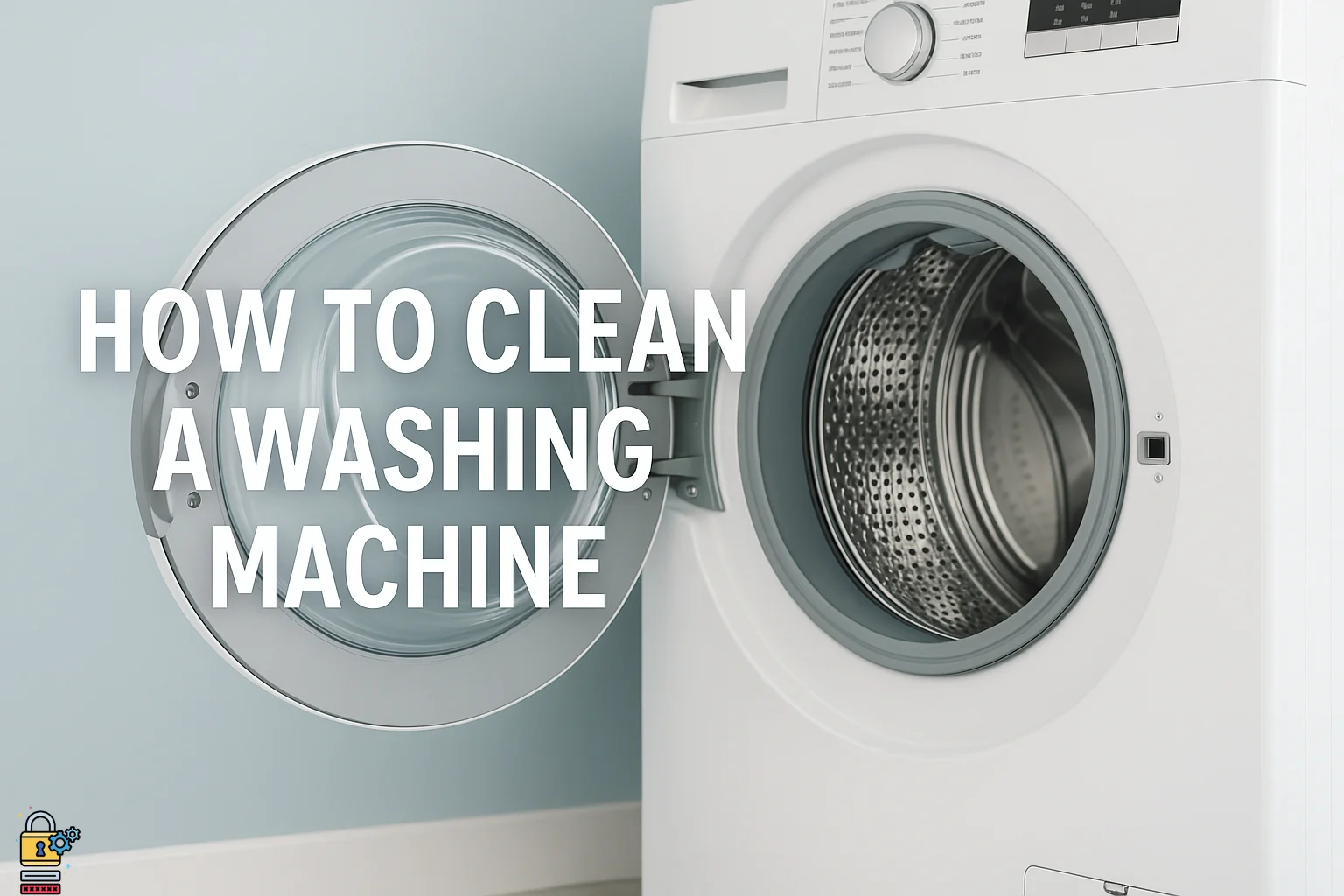
Alright, let’s be honest for a sec—most of us just toss clothes in the washer, hit start, and assume the thing magically cleans itself. I mean. It’s the washing machine, right? But nope. The truth is, it gets dirty, too. Soap gunk, fabric softener slime, lint balls, random dirt, and (the worst) mold can all build up inside. Before you know it, your laundry smells more like a damp basement than fresh linen. You know what I mean?
So if you’ve ever wondered, “Do I really need to clean my washing machine?” the answer is a big, fat YES. Don’t stress, though—it’s not complicated. I’ll walk you through a super simple routine (seriously, anyone can do it), share a couple of real-life stories where people ignored theirs (and regretted it), answer some FAQs, and even cover whether you can actually mess up your washer by cleaning it. Spoiler: you probably can’t—unless you go rogue.
Grab your coffee—or, let’s be real, maybe your laundry basket—and let’s dive in.
Why Cleaning Your Washing Machine Actually Matters
Here’s the thing: your washer looks innocent from the outside. Shiny, sitting there like it’s got everything under control. But inside? It can turn into a swampy mess of grime.
Detergent builds up like sticky film, softener clings, and bacteria throws a full-on party in there. Ignore it long enough and you’ll end up with:
-
Musty-smelling clothes (even straight out of the wash)
-
Black mold hiding in the rubber door seal (ugh, seen it, smelled it)
-
A machine that works harder = higher energy bills
-
And, honestly, a washer that dies way sooner than it should
The good news? Cleaning it isn’t rocket science. It’s quick, cheap, and honestly kind of satisfying once you see (and smell) the difference.
Step-by-Step: How to Clean a Washing Machine
Alright, here’s my go-to routine. Nothing fancy, but it works.
Step 1: Empty the Machine
Sounds obvious, but people forget. Ever found a sock stuck at the back weeks later? Yep. Start with a totally empty drum.
Step 2: The Detergent Drawer
Pull the tray out (most slide right out—don’t yank it). Soak in hot, soapy water. Grab an old toothbrush (seriously, the best hack), scrub away the crust, rinse, dry, and pop it back in. Done.
Step 3: The Vinegar Blast
Add about two cups of white vinegar directly into the washer drum. Run the hottest, longest cycle you’ve got. Vinegar melts buildup, kills bacteria, and makes everything smell way less funky.
Step 4: Baking Soda Back-Up
When that cycle’s done, toss in half a cup of baking soda. Run another hot cycle. Think of it as deodorizing round two.
Step 5: The Rubber Seal (front-loaders only)
This one’s gross but important. Mix vinegar + water in a spray bottle. Spray around the rubber door seal. Pull back the folds—you’ll probably gag at what’s hiding. Wipe it out.
Step 6: The Filter
It’s usually at the bottom front. Put a towel under it before opening (water WILL come out—don’t say I didn’t warn you). Rinse the filter, scrub if it’s nasty, and stick it back in.
Step 7: Wipe It All Down
Drum, buttons, outside—give the whole machine a quick wipe with a damp cloth. Looks new-ish again.
Step 8: Let It Breathe
Leave the door cracked open afterward. Otherwise, you’re basically building a mold cave.
👉 Quick tip: Do this once a month. Trust me, it’s way easier to maintain than to rescue a swamp monster of a washer later.
Is It Safe to Clean a Washing Machine?
People always ask: “Am I gonna break it if I clean it wrong?” Honestly? Not really—unless you go wild. Here’s what to know:
-
Keep it natural. Vinegar and baking soda are totally fine. Bleach works too, but too much can chew up the rubber seals.
-
Unplug first if you’re pulling out the filter or tray; better safe than sorry. Getting zapped mid-clean isn’t fun.
-
Smart washers. A lot of new ones have a “self-clean” button. Use it. If you’re DIY-ing, stick with basics. Don’t dump random chemicals in there—it could void your warranty.
-
Biggest risks? You’d have to scrub the seal like you’re sanding wood or drown the machine in vinegar every day to do any real damage.
So yeah, cleaning it is safe. And necessary. It saves your clothes, your machine, and your wallet. Win-win.
Case Study 1: Jessica’s “Mom Hack” Moment
Jessica, a mom of three, was about to call a repair tech because her washer smelled… swampy. Like, gag-level bad. She figured it was broken. Instead, she tried the vinegar and baking soda method.
Guess what? She found black mold under the seal (ew). Two hot cycles later—smell gone. She also cleaned the filter for the first time and pulled out coins, hair ties, and… a LEGO.
The result? Fresh-smelling clothes, no drainage issues, and she saved a few hundred bucks. Now she cleans it monthly and hasn’t had a problem since.
Case Study 2: Michael’s Rental Disaster
Michael manages rental properties, and one tenant complained their washer “wasn’t working.” When he checked it out, it was a disaster. The detergent drawer was caked solid, the filter clogged with clumps of hair, and the whole drum smelled like an old gym bag.
He considered replacing it, but instead gave it a deep clean—vinegar, baking soda, scrubbing, the works. The difference was insane. Smell gone, washer running fine, and no need to shell out for a new one.
These days, he hands out a simple “washer cleaning guide” to every tenant—less stress for him, fewer complaints, and machines that last.
FAQs: Washing Machine Cleaning
1. How often should I clean it?
Once a month is ideal. If you’ve got kids, pets, or mud-loving hobbies—maybe more. Think of it like brushing your teeth: don’t wait until there’s a problem.
2. Can I just use bleach?
You can, but eh… I don’t love it. It works, but too much will eat away at seals over time. Vinegar and baking soda are cheaper, safer, and honestly just as effective.
3. Is there a difference between top-loaders and front-loaders?
Yep. Top-loaders are easier—no rubber seal to worry about. Front-loaders? That seal is a mold magnet. Otherwise, cleaning’s the same.
4. Do I need those pricey cleaning tablets?
Not really. They’re convenient, but vinegar and baking soda do the job. I only grab the tablets if I’m feeling lazy or they’re on sale.
5. Why does mine still smell after cleaning?
Take a quick look at the filter, the drain hose, and the door seal—those spots love to trap gunk. Also, don’t slam the door shut after every wash. Leave it cracked so it can dry out.
6. Does cleaning it actually save money?
Oh, 100%. Keeping your washing machine clean means it works smarter, lasts longer, and avoids constant breakdowns. Skip the cleaning, and you’ll be paying for repairs—or worse, a new machine.
7. Do natural methods really work?
For sure. Vinegar loosens residue, baking soda handles funky odors, and hot water gives it that deep clean. Simple, cheap, effective.
8. What about smart washers?
They get dirty, too. Most have a “tub clean” option—use it. If you DIY, stick to the basics. Don’t pour weird stuff into the dispenser; sensors can be fussy.
Final Thoughts
Cleaning your washer isn’t glamorous, I’ll admit. But it’s also not hard. Do it once a month and you’ll have fresher laundry, lower bills, and a machine that doesn’t quit on you early.
So yeah—now you know how to clean a washing machine the right way. It’s one of those boring “adulting” things that actually pays off big time. Future you (and your clothes) will be grateful.
Learn About How to Get Rid of Gnats Fast

Leave a Reply