


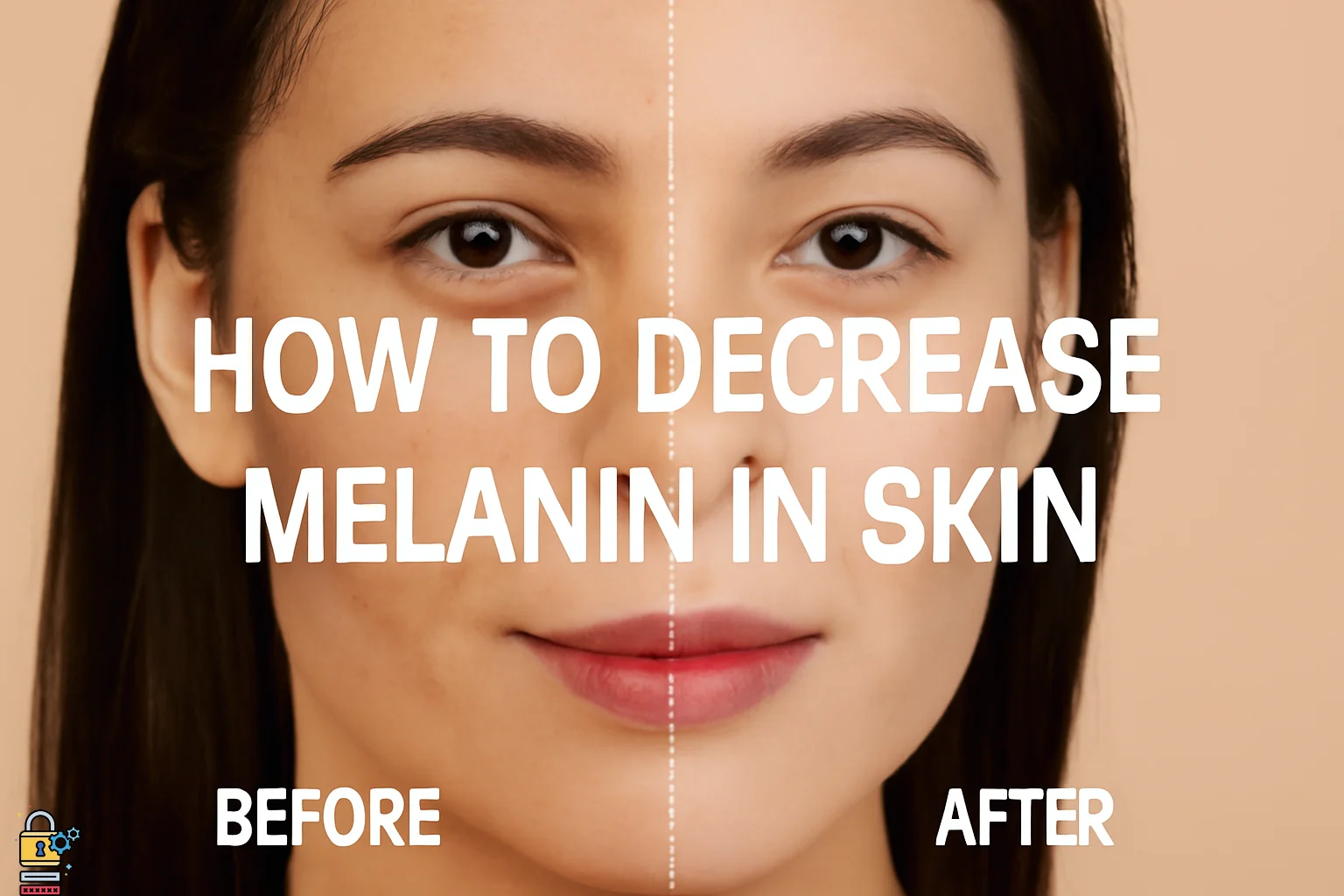
Melanin is a pigment found in the skin, hair, and eyes, playing an important role in giving them their colour. While melanin serves essential functions like protecting the skin from harmful ultraviolet (UV) rays, some individuals may seek ways to decrease melanin in their skin for various reasons, including skin lightening, managing hyperpigmentation, or achieving a more even skin tone. If you’ve ever wondered, “How to decrease melanin in skin?” you’re not alone. This article delves into understanding melanin, its impact on the skin, and various safe and effective methods for decreasing its production.
Table of Contents
ToggleWhat is Melanin, and Why Does It Matter?
Melanin is produced by specialised cells called melanocytes in the epidermis (the outer layer of skin). The primary function of melanin is to absorb and disperse UV light from the sun, thus protecting the deeper layers of the skin from UV radiation that can cause damage, ageing, and skin cancer. There are different types of melanin, such as eumelanin (which gives skin its brown or black colour) and pheomelanin (which provides yellow or red hues).
While melanin provides important protective benefits, excess melanin production can lead to skin conditions like hyperpigmentation, age spots, or melasma, which is why some individuals look for ways to reduce melanin in their skin.
Why Do Some People Want to Decrease Melanin in Their Skin?
Several reasons drive people to seek methods of reducing melanin production:
-
Hyperpigmentation: Excess melanin can accumulate in certain areas of the skin, causing dark spots or patches. Conditions such as melasma, age spots, and post-inflammatory hyperpigmentation are common concerns.
-
Even Skin Tone: Some people seek a more uniform skin tone by decreasing the melanin levels in darker spots or areas where pigmentation is more concentrated.
-
Skin Lightening: Cultural and beauty standards in some regions may promote lighter skin as a sign of beauty. While this may lead people to seek ways to decrease melanin, it’s important to remember that skin health should always come first.
Now, let’s explore how to decrease melanin in the skin safely and effectively.
Methods to Decrease Melanin in Skin
There are several approaches to reducing melanin production, ranging from topical treatments to natural remedies. It’s crucial to choose safe and well-researched methods to ensure healthy skin.
1. Topical Skin Lightening Agents
Hydroquinone
Hydroquinone is one of the most common and effective skin-lightening agents used to decrease melanin in the skin. It works by inhibiting the tyrosinase enzyme, which is essential for the synthesis of melanin. Hydroquinone can be found in over-the-counter creams, lotions, and prescription-strength formulas.
Retinoids
Retinoids, including retinol and tretinoin, are vitamin A derivatives known for their skin-regenerative properties. They promote faster cell renewal, helping to minimise the visibility of dark spots caused by excessive melanin. Retinoids also promote collagen production, enhancing overall skin texture.
Vitamin C
As an antioxidant, Vitamin C brightens the skin while reducing the production of melanin. It inhibits tyrosinase activity, leading to less melanin being produced in the skin. Vitamin C can be applied topically in serums or creams and is also beneficial when taken orally for skin health.
Kojic Acid
Kojic acid is another popular ingredient used for skin lightening. It works by suppressing tyrosinase, an enzyme crucial for melanin synthesis. It’s typically used in serums, soaps, and lotions, and is often recommended for dark spots and uneven skin tones.
Arbutin
Arbutin, derived from hydroquinone, is another effective agent for reducing melanin levels. It works by slowing down the activity of melanocytes, which reduces melanin production over time. Arbutin is viewed as a gentler option compared to hydroquinone and is found in many skincare formulations.
2. Chemical Peels
Chemical peels involve using a solution to exfoliate the skin’s top layer, revealing a lighter, more uniform complexion beneath. This treatment can reduce the appearance of dark spots and pigmentation caused by excess melanin. Glycolic acid, salicylic acid, and trichloroacetic acid are common acids used in chemical peels.
Chemical peels can help diminish hyperpigmentation, melasma, and other melanin-related skin concerns. However, it’s important to consult a dermatologist for guidance, as improper use can cause skin irritation or sensitivity.
3. Laser Treatments
Laser treatments like fractional CO2 and intense pulsed light (IPL) are popular for targeting excess melanin in the skin. These treatments work by using light to break down pigment and promote the growth of healthy, new skin cells. While effective, laser treatments can be costly and require multiple sessions for optimal results.
For safe and effective treatment, always choose a licensed professional with experience in skin resurfacing procedures.
4. Natural Remedies
Some individuals prefer to reduce melanin in their skin using natural ingredients, which can offer a gentler approach without the use of harsh chemicals.
Lemon Juice
Lemon juice, packed with citric acid, naturally lightens the skin. Applying lemon juice to the skin can lighten dark spots and reduce melanin levels. However, lemon juice can be acidic, so it’s essential to perform a patch test before using it on your face. Additionally, always apply sunscreen after using lemon juice, as it can make the skin more sensitive to the sun.
Aloe Vera
Aloe vera is known for its soothing properties and can help lighten skin by inhibiting the production of melanin. Aloe vera gel can be applied directly to the skin, especially in areas with hyperpigmentation.
Turmeric
Turmeric contains curcumin, which has been shown to have skin-brightening properties. It can help lighten dark spots and even out skin tone over time. Turmeric can be mixed with honey or yoghurt to create a face mask.
Licorice Extract
Liquorice extract is another natural ingredient known for its melanin-reducing properties. It contains glabridin, which inhibits tyrosinase activity and prevents the production of melanin. Liquorice extract is available in various skincare products and can be applied topically to lighten dark spots.
Green Tea Extract
Antioxidants found in green tea have been found to lower melanin production in the skin. Consuming green tea or using products that contain green tea extract can help lighten dark spots and improve the skin’s texture.
5. Sun Protection
One of the most important steps in preventing further melanin production is to protect the skin from UV radiation. The skin generates more melanin when it is exposed to the sun, causing it to become darker. Therefore, consistently applying sunscreen with a high SPF (30 or higher) is crucial for maintaining an even skin tone and preventing further pigmentation.
Along with sunscreen, wearing protective gear like hats, sunglasses, and clothing can reduce the effects of sun exposure.
6. Diet and Lifestyle Changes
A diet high in antioxidants, vitamins, and minerals can promote healthier skin and help lower melanin production. Foods such as fruits, vegetables, and foods high in vitamin C (like oranges, strawberries, and peppers) can help brighten the skin from the inside out.
Avoiding smoking, excessive alcohol consumption, and managing stress levels can also improve skin health and prevent the onset of hyperpigmentation.
Table: Comparison of Common Methods to Decrease Melanin in Skin
| Method | Effectiveness | Side Effects | Duration of Results |
|---|---|---|---|
| Hydroquinone | High | Skin irritation, dryness | Long-term (with continued use) |
| Retinoids | Moderate | Dryness, irritation | 4-6 weeks for visible changes |
| Vitamin C | Moderate | Minimal, rare irritation | 2-4 weeks for improvement |
| Kojic Acid | Moderate | Skin irritation, dryness | 4-6 weeks for improvement |
| Chemical Peels | High | Skin peeling, redness | Results visible in 2-4 weeks |
| Laser Treatments | High | Pain, redness, swelling | Results last several months |
| Natural Remedies | Low to Moderate | Rare allergic reactions | Long-term with consistent use |
FAQs: How to Decrease Melanin in Skin
1. Is it safe to decrease melanin in the skin?
Yes, it is generally safe to decrease melanin, but it’s important to use methods that are dermatologist-approved. It’s crucial to apply treatments like hydroquinone and retinoids with care, preferably with guidance from a skincare professional.
2. Can eating certain foods help reduce melanin in the skin?
While diet alone won’t drastically reduce melanin, foods rich in vitamin C and antioxidants can support skin health and contribute to a more even skin tone.
3. How long will it take to see results from melanin-reducing treatments?
The time required to see results varies depending on the method used. Topical treatments like hydroquinone and vitamin C can show visible results in 4-6 weeks, while chemical peels and laser treatments may take longer.
4. Are there any side effects of melanin-reducing products?
Some treatments, such as hydroquinone, retinoids, and chemical peels, may cause dryness, irritation, or redness. It is crucial to follow the instructions carefully and consult a dermatologist if any side effects occur.
5. Can melanin reduction be permanent?
No, melanin reduction is generally not permanent. Sun exposure, aging, and lifestyle factors can trigger melanin production again. Consistent sun protection and maintenance treatments are essential.
Conclusion
Reducing melanin in the skin is possible through various methods, from topical treatments to natural remedies and professional procedures. However, it’s important to approach this process with care and prioritise your skin’s health. Always consult a dermatologist before starting any new treatment, especially if you’re considering more intense procedures like laser treatments or chemical peels.
By incorporating the right methods into your skincare routine, you can achieve a more even skin tone and manage hyperpigmentation effectively. Don’t forget to protect your skin from sun exposure and stay consistent with your skincare regimen for the best results.
Ready for Clearer Skin? Start Today!
If you’re struggling with dark spots, uneven skin tone, or hyperpigmentation, it’s time to take action. Explore the methods outlined above, consult a dermatologist, and begin your journey toward clearer, brighter skin today!
Learn About Real Kanjivaram Saree
