


Introduction:
The Kanjivaram saree is a beautiful and timeless piece that you’ll often see at Indian weddings and traditional events. But it’s not just a piece of cloth – it’s a rich cultural heritage passed down through generations. The design and craftsmanship of a Kanjivaram saree show its true beauty, making it a valuable and prestigious item in every generation.
When we talk about a Kanjivaram saree, one question that often comes up is, “How can you identify a real Kanjivaram saree?” This blog aims to guide you through the process of recognizing an authentic Kanjivaram saree, understanding its unique features, and ensuring that you get your money’s worth when purchasing one.
The importance of a real Kanjivaram saree goes beyond its stunning design and elegance. It’s a cultural treasure that has been cherished for generations. Whether it’s a wedding or any other celebration, a Kanjivaram saree makes every occasion feel special. Even today, it remains an iconic piece of traditional beauty that every modern woman should have in her wardrobe.
In this blog, we will cover everything from identifying a real Kanjivaram saree to tips for caring for and maintaining it. Join us in this journey, and you’ll learn how to choose the right Kanjivaram saree, check its authenticity, and take care of it so that it stays as beautiful as the first time you wore it.
What Makes a Real Kanjivaram Saree Unique?
Definition of a Real Kanjivaram Saree
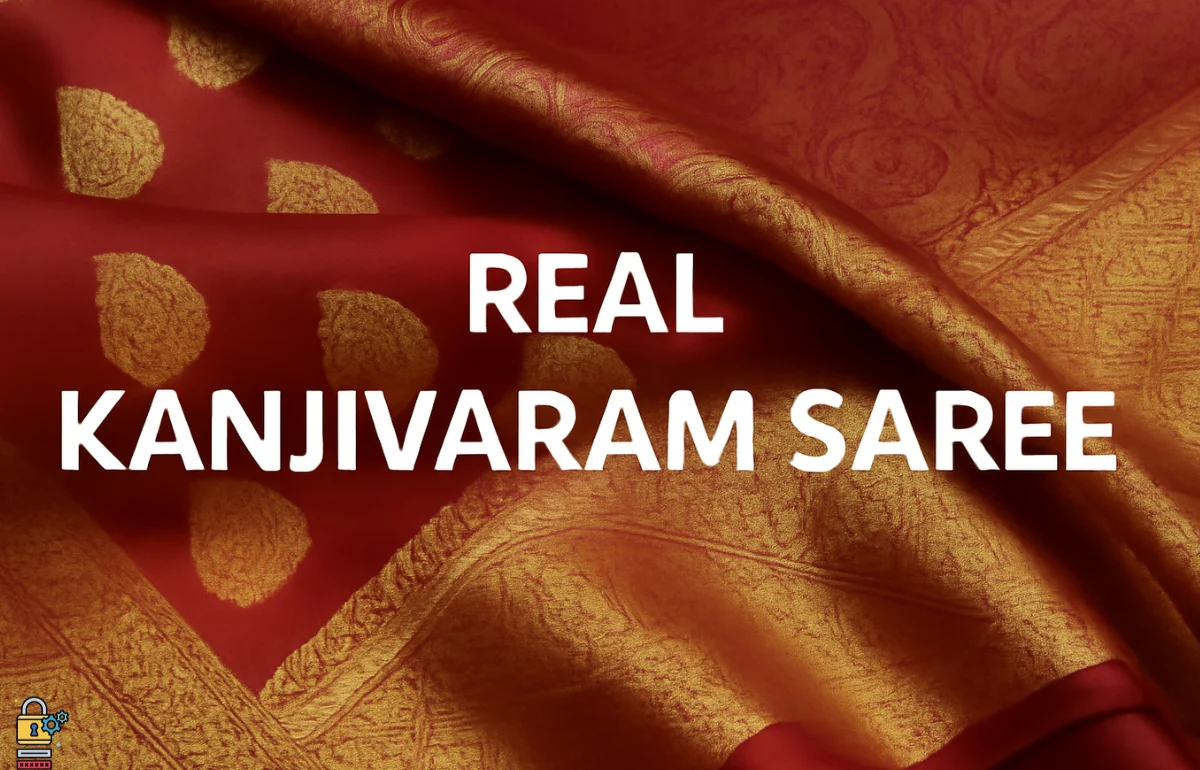
A real Kanjivaram saree is more than just a beautiful piece of clothing; it’s a symbol of rich tradition and craftsmanship. These sarees originate from Kanchipuram, a town in Tamil Nadu, which is known for its long history of saree weaving. The beauty of a Kanjivaram saree lies in its pure silk, combined with zari work (a type of metallic thread that gives the saree its elegant shine) and intricate handwoven craftsmanship.
What truly sets a real Kanjivaram saree apart is the effort and care that goes into its creation. Each saree is made by hand, ensuring no two pieces are identical. It takes skill, patience, and time to weave a Kanjivaram saree, and that’s what makes it so special.
Key Features that Make it Special
One of the standout features of a real Kanjivaram saree is the zari work. Zari, usually made of gold or silver threads, adds a rich and radiant finish to the saree, making it stand out in any crowd. Along with zari, traditional patterns are a big part of what makes a Kanjivaram saree unique. These patterns often include motifs like temples, peacocks, and elephants, which hold cultural and spiritual significance.
Another feature that makes the Kanjivaram saree special is the weaving process. The silk is woven with two different types of threads, which are then tightly interwoven to create a strong fabric. The pallu (the part of the saree that drapes over the shoulder) often showcases the most intricate designs, and it’s where the real magic of the saree comes to life. The way the weaving process is carried out ensures that the saree is durable and can last for generations, maintaining its shine and beauty.
Real-Life Example
I vividly recall the first time I encountered a Kanjivaram saree in person at a wedding. My aunt had worn a stunning Kanjivaram saree with beautiful gold zari work all over the pallu and borders. As she walked, the saree shimmered and caught everyone’s attention. The craftsmanship was so detailed that I could see the fine threads of the zari shining in the light. What struck me the most was how the saree felt so soft and luxurious, yet it was strong enough to last through the years without losing its appeal. It made me realize why these sarees are so treasured—they’re not just pieces of clothing, they are works of art, created with immense skill and history.
How to Identify a Real Kanjivaram Saree
Physical Characteristics of a Real Kanjivaram Saree
When it comes to identifying a real Kanjivaram saree, there are a few key characteristics to look for. These characteristics will help you make sure that what you’re buying is not just beautiful, but also authentic.
-
Fabric: A real Kanjivaram saree is made from high-quality pure silk, which feels incredibly smooth and soft. When you run your hands over the fabric, you should feel a rich, luxurious texture. The silk should be heavy and dense, giving the saree a certain weight and elegance. If the fabric feels light or thin, it could be a sign that the saree is made from synthetic materials.
-
Zari Work: The zari work on a real Kanjivaram saree is one of its most striking features. Real zari is made with gold or silver threads, and it should have a shiny, rich finish that looks luxurious. Synthetic zari, on the other hand, often looks dull and does not have the same shine or texture as the real thing. You can tell the difference by closely examining the zari and noticing whether it looks metallic or plastic-like.
Tests for Authenticity
There are a couple of simple tests you can perform to check whether your Kanjivaram saree is authentic or not:
-
Burn Test: This is one of the most effective ways to check if the fabric is real silk. Take a small, discreet piece of the fabric (preferably from the edge) and carefully burn it. If it’s real silk, it will burn slowly, produce an ash-like residue, and smell like burnt hair. If it’s synthetic, it will melt, and you might notice a plastic-like smell.
-
Fabric Checks: Genuine silk has a natural sheen, and when you rub it between your fingers, it feels smooth and soft. If the fabric feels too slippery or too stiff, it could be a sign that it’s made from synthetic materials. Pure silk will always feel luxurious, not flimsy.
Real-Life Example
I remember a time when a friend of mine bought a Kanjivaram saree online. It looked beautiful in the pictures, but when it arrived, something felt off. The fabric felt too light, and the zari didn’t have that beautiful shine that Kanjivaram sarees are famous for. I suggested we do the burn test just to be sure. When we burned a small piece of the fabric, it melted instantly, and the smell was nothing like the burnt hair smell of real silk. It was clear that the saree wasn’t authentic.
This experience taught us the importance of checking the fabric and zari before buying a Kanjivaram saree. It was a bit disappointing, but it helped my friend avoid making the same mistake again. Now, she knows exactly what to look for when buying these precious sarees.
Top Features of Original Kanjivaram Saree
Silk and Zari Work
When you look at a real Kanjivaram saree, two features that instantly stand out are its pure silk fabric and the beautiful zari work. These two elements are what make a Kanjivaram saree truly special.
-
Pure Silk: The fabric of a real Kanjivaram saree is made of the finest pure silk, and it feels incredibly smooth and luxurious to the touch. The silk used in these sarees has a unique texture that gives the saree both weight and elegance. Unlike synthetic silks, real Kanjivaram silk has a natural sheen that glows under the light. It’s soft but dense, making the saree both durable and graceful.
-
Zari Work: Another standout feature is the intricate zari work. Zari refers to the metallic threads of gold or silver that are woven into the fabric. This work isn’t just for decoration; it’s an art form passed down through generations. The designs are often symbolic, featuring traditional motifs like peacocks, temples, and lotuses. The richness of the zari work adds a royal touch to the saree and highlights the craftsmanship that goes into making it.
Pallu and Borders
-
Pallu: The pallu of a Kanjivaram saree is perhaps its most distinctive feature. This is the part of the saree that drapes over the shoulder, and it often carries the most intricate and elaborate designs. The pallu is where you’ll see the most stunning zari work, intricate motifs, and vibrant patterns. It’s not just a decorative element; it’s a symbol of the saree’s luxury and cultural significance.
-
Borders: The borders of a real Kanjivaram saree are also a defining feature. The borders are usually double-threaded, making them thicker and stronger. They often have beautiful patterns or motifs that match the pallu, creating a harmonious design. Real Kanjivaram saree borders are meticulously crafted to ensure that they don’t fray over time, keeping the saree in perfect shape for years.
How These Features Reflect the Saree’s Authenticity
These silk and zari work features, along with the pallu and borders, are the hallmarks of an authentic Kanjivaram saree. When you wear a real Kanjivaram saree, it’s not just the beauty that stands out—it’s the authenticity and craftsmanship that are evident in every stitch and thread. The use of pure silk and the rich zari work show the saree’s genuine craftsmanship, while the pallu and borders reflect the deep cultural and artistic history behind this iconic piece of clothing.
Where to Buy the Best Real Kanjivaram Sarees
Top Shops and Locations
When it comes to buying a real Kanjivaram saree, there are a few famous places that you should definitely keep in mind. These locations are known for their rich history in saree weaving and are trusted for offering authentic Kanjivaram sarees.
-
Kanchipuram: This is the birthplace of the Kanjivaram saree. If you want the most authentic Kanjivaram sarees, this is where you should go. The town is home to numerous weaving families who have been in the business for generations, ensuring the finest craftsmanship. When you visit Kanchipuram, you’ll find a variety of saree shops, ranging from small, family-run stores to well-known brands offering exclusive collections.
-
Chennai: Chennai, being the capital city of Tamil Nadu, is another hub for purchasing authentic Kanjivaram sarees. There are many reputable stores that have been selling high-quality Kanjivaram sarees for decades. You can find the best collections in places like T Nagar, which is famous for its saree markets.
-
Hyderabad: Although not as well-known as Kanchipuram, Hyderabad is a great place to find genuine Kanjivaram sarees. Many of the traditional saree shops here carry collections from the finest weavers. Hyderabad’s saree stores offer a range of designs and prices, making it easy to find something that suits your budget and taste.
Online Buying Tips
If you’re looking to buy a Kanjivaram saree online, there are several trusted websites and marketplaces that offer genuine sarees. Buying online can be convenient, but you have to be careful to choose the right sellers.
-
Trusted Marketplaces: Websites like Amazon, Flipkart, and Myntra have verified sellers offering real Kanjivaram sarees. Make sure to check the ratings and reviews of the seller before making a purchase.
-
Specialized Saree Websites: There are also dedicated websites like Kanchipuram Sarees, Saree.com, and Pothys that specialize in Kanjivaram sarees. These websites work directly with trusted weavers and offer a wide variety of sarees. Always check for certificates of authenticity or quality assurance guarantees to ensure you’re buying a real Kanjivaram saree.
-
Check Return Policies: A great way to be sure about the saree is to check if the online store has a return or exchange policy. This will give you peace of mind in case the saree doesn’t match your expectations or if it turns out to be fake.
Price Range and What to Expect
The price of a real Kanjivaram saree can vary significantly based on a few factors. Here’s what you can expect:
-
Starting Price: A basic, entry-level Kanjivaram saree can cost anywhere between ₹5,000 to ₹10,000. These sarees may not have intricate zari work, but will still offer good quality silk.
-
Mid-Range Price: A saree with more detailed designs and better quality silk typically ranges between ₹10,000 to ₹25,000. These sarees will have beautiful zari work, a well-crafted pallu, and be made with superior quality materials.
-
High-End Price: Premium Kanjivaram sarees, especially those with heavy gold zari, intricate designs, and fine silk, can cost ₹25,000 to ₹50,000 or even more. These sarees are often custom-made for weddings or special occasions and come with the best craftsmanship.
-
Factors Affecting Price: The price of a real Kanjivaram saree depends on the quality of silk used, the complexity of the zari work, and the overall design. The more intricate the zari work and the heavier the gold zari, the higher the price. Custom designs, such as specific motifs or patterns, also increase the cost. Additionally, the store’s reputation and the craftsmanship of the weavers play a role in determining the price.
Caring for Your Kanjivaram Saree: Maintenance Tips
Storing and Protecting the Saree
Taking care of a Kanjivaram saree isn’t just about cleaning it, but also about storing it properly to maintain its beauty and longevity.
-
Proper Folding and Storage: One of the most important things you can do is to fold your Kanjivaram saree carefully. Avoid hanging it on a hanger for long periods, as this can stretch the fabric and distort the shape. To store your saree, fold it neatly and place it in a cotton bag or saree pouch to protect it from dust. This will help preserve the silk and prevent any color fading. Make sure the storage area is cool, dry, and away from direct sunlight.
-
Avoid Plastic Bags: Never store your Kanjivaram saree in a plastic bag for long periods. Plastic traps moisture, which can lead to mildew or stains. A breathable cotton bag or cloth will keep the fabric safe and allow it to breathe.
Cleaning and Ironing
-
Why Dry Cleaning is Preferred: The best way to clean a real Kanjivaram saree is through dry cleaning. This method ensures that the delicate fabric and intricate zari work remain intact without any damage. Silk can be damaged by water or harsh chemicals, which is why dry cleaning is always the safest option. Be sure to choose a reliable dry cleaner who understands the care required for high-end fabrics like Kanjivaram silk.
-
Ironing Tips to Maintain the Saree’s Sheen: Ironing a Kanjivaram saree should be done with great care. Always iron the saree on the reverse side to protect the zari work and the fabric’s sheen. Use a low heat setting on your iron, as high temperatures can damage the silk. It’s best to place a cotton cloth or pressing cloth between the iron and the saree to avoid direct contact, especially on areas with zari or delicate designs. Iron the saree gently, especially the pallu and borders, to maintain its structure without losing its shine.
Repair and Restoration
-
Simple Fixes to Keep Your Saree in Great Shape: Even though Kanjivaram sarees are known for their durability, they may require a bit of repair over time due to wear and tear, especially after heavy use at weddings or festivals.
-
Loose Threads: If you notice any loose threads, carefully tie them off with a matching thread. Don’t pull them, as this can cause the fabric to tear or unravel. It’s better to have a professional do any major repairs.
-
Zari Repair: If the zari work begins to fade or unravel, it’s essential to get it fixed by an expert in zari restoration. By doing so, the saree preserves its originality and continues to captivate with its beauty.
-
Restoring Shine: If your saree starts to lose its sheen, a professional dry cleaner can often restore the fabric’s shine and smoothness, making it look as good as new.
Kanjivaram Saree: A Timeless Tradition
The Kanjivaram saree holds immense cultural significance in India, especially in Tamil Nadu, where it originates. More than just a garment, it represents grace, heritage, and opulence, handed down through the ages.
-
Role in Weddings and Festivals: The Kanjivaram saree is a central piece of attire in many Indian weddings and festivals. Brides typically wear these sarees on their wedding day, as they represent prosperity, wealth, and purity. The detailed zari patterns and designs on the saree signify the significance of the event. Kanjivaram sarees are also a popular choice for prominent festivals like Diwali, Navratri, and Pongal, enhancing the occasion with their elegance.
-
Cultural Significance: Beyond weddings, Kanjivaram sarees are deeply embedded in Indian culture. These sarees are regarded as cherished family treasures, passed down through generations. Owning a real Kanjivaram saree is seen as a status symbol in many parts of India, and it reflects the rich heritage and craftsmanship of the region.
The Process of Making a Real Kanjivaram Saree
The making of a real Kanjivaram saree is a step-by-step process that involves a high level of skill and patience. Every saree is meticulously handcrafted, guaranteeing that each piece is one-of-a-kind.
-
Step-by-Step Guide:
-
Thread Selection: The process starts with the selection of the finest quality silk thread. The silk is dyed in rich hues through age-old techniques.
-
Warping: The silk threads are then arranged on the loom. This step is crucial as the threads need to be aligned carefully to ensure a perfect weave.
-
Weaving: Using a handloom, artisans weave the silk threads and zari threads together to create intricate designs. This step requires expert craftsmanship, as the zari work must be flawless.
-
Pallu and Borders: The pallu and borders are meticulously crafted with gold or silver zari to form intricate patterns. The pallu is often the most detailed part of the saree and is what makes it stand out.
-
Finishing: Once woven, the saree is washed and pressed to achieve its flawless final appearance.
-
-
Intricacy of the Craftsmanship: The process of weaving a real Kanjivaram saree is extremely intricate. It takes anywhere from 7 to 10 days to create a single saree. Every saree is handmade, and no machine can replicate the level of detail and care that goes into crafting these sarees. The use of zari (metallic threads) and the skill required to incorporate these into the fabric makes Kanjivaram sarees a masterpiece of weaving.
Kanjivaram Saree Buying Guide: What to Look For
When buying a real Kanjivaram saree, it’s important to know what to look for to ensure that you’re getting an authentic piece. Consider these helpful tips when making your purchase:
-
Silk Quality: Ensure the silk quality is premium. A genuine Kanjivaram saree will feel rich and substantial. It should have a smooth texture and a natural sheen that catches the light.
-
Zari Work: Gold or silver zari is a must for a genuine Kanjivaram saree. The zari should have a rich, metallic shine. Avoid sarees with dull, artificial-looking zari as this is often a sign of a fake saree.
-
Border and Pallu Design: A genuine Kanjivaram saree will have a thick, double-threaded border. The pallu should also be intricate and detailed. A basic or poorly executed design may indicate that the saree is not genuine.
-
Weaving and Stitching: Inspect the weaving closely, especially at the borders. A real Kanjivaram saree will have consistent, tight weaving. The edges should be well-finished, and the stitching should be neat and even.
-
Certification: Many reputable stores offer certificates of authenticity for Kanjivaram sarees. Check for certification to confirm the authenticity of your purchase.
How to Wear a Kanjivaram Saree Like a Pro
Draping a Kanjivaram saree is an art, and once you get the hang of it, it can elevate your look instantly. Here’s a simple, step-by-step guide to wearing a Kanjivaram saree like a pro:
-
Start with the Petticoat: Wear a well-fitted petticoat (underskirt) that matches your saree. This provides the structure needed for the saree to stay in place.
-
Drape the Saree: Start by tucking the saree into the petticoat at your waist, and wrap it around your body. Be sure to let the pleats fall smoothly, avoiding wrinkles.
-
Create Pleats: Once the saree is wrapped, create pleats at the front. The number of pleats should be even and neatly arranged. Hold the pleats together and tuck them into the petticoat.
-
Drape the Pallu: Now, bring the pallu over your left shoulder, allowing it to drape gracefully. The pallu can either fall straight or be pleated, depending on your preference.
-
Adjust and Perfect: Adjust the pleats and the pallu until everything is smooth and even. The pallu should fall in a way that it highlights the beautiful zari work.
The Best Colors and Designs for Kanjivaram Sarees
When choosing a Kanjivaram saree, the color and design you pick can depend on the occasion and your personal preference. Here are some tips:
-
Popular Color Choices:
-
Red, gold, and green are the classic colors for weddings and formal occasions.
-
Pastel shades like peach, light blue, and lavender are perfect for lighter, more festive occasions.
-
-
Traditional Designs:
-
Look for sarees with intricate floral patterns, temple borders, and peacock motifs. These designs are symbolic and represent tradition and prosperity.
-
Kanjivaram sarees with contrast borders (e.g., gold borders with rich red or green silk) are very popular and create a bold, striking look.
-
-
Choosing for Occasions:
-
For weddings, go for deep red, gold, or royal blue with heavy zari work.
-
For festivals, choose a saree with light, bright colors and delicate patterns.
-
FAQs Section
What is the difference between a real and fake Kanjivaram saree?
The real Kanjivaram saree is made from high-quality pure silk, with intricate gold or silver zari work woven by hand. It has a dense, rich feel, and the designs are deeply embedded into the fabric. On the other hand, a fake Kanjivaram saree may look shiny but will often be made from synthetic materials, with poorly executed zari work or cheap metallic threads. The texture, feel, and shine of the fabric are usually key indicators of its authenticity.
How do I know if my Kanjivaram saree is authentic?
To check if your Kanjivaram saree is authentic, pay attention to the fabric (it should feel soft, heavy, and smooth, like pure silk), the zari work (should be metallic, not dull), and the pallu (should feature intricate designs). You can also perform a burn test—real silk burns like hair and produces ash, while synthetic fabric will melt and emit a plastic smell. If possible, buy from trusted stores or request certificates of authenticity.
Can Kanjivaram sarees be worn for occasions other than weddings?
Absolutely! While Kanjivaram sarees are often associated with weddings, they are also perfect for other special occasions like festivals, family gatherings, or even a formal event. The beauty of a Kanjivaram saree lies in its versatility, as it can be styled in different ways to suit various events. Opt for lighter colors and simpler designs for a more understated look for occasions like Diwali, Navratri, or Pongal.
Where can I find a good deal on an original Kanjivaram saree?
You can find a good deal on an original Kanjivaram saree at trusted local stores in places like Kanchipuram, Chennai, or Hyderabad, which are known for their authentic collections. If shopping online, websites like Saree.com, Pothys, and Flipkart offer a range of options, but always check the authenticity certificates and customer reviews. Also, look for seasonal sales or discounts, but ensure the store guarantees the saree’s authenticity.
How do I take care of my Kanjivaram saree to make it last longer?
To make your Kanjivaram saree last longer, always store it in a cotton bag or saree pouch to protect it from dust. Avoid hanging it for long periods, as this can distort its shape. Dry clean your saree rather than washing it with water, as this will protect the delicate silk and zari. When ironing, use a low heat setting and a pressing cloth to prevent damage to the fabric or zari work. Regularly check for loose threads and get repairs done by a professional to maintain its beauty.
Conclusion
In conclusion, real Kanjivaram sarees are a symbol of tradition, luxury, and craftsmanship. Understanding the key features of an authentic Kanjivaram saree—from its silk fabric to the intricate zari work, and knowing how to identify, buy, and care for it, ensures you invest in a piece that lasts for generations.
Now that you’re equipped with all the knowledge to pick the perfect Kanjivaram saree, explore our collection today and elevate your wardrobe with a timeless piece. Whether for a wedding, festival, or any special occasion, a Kanjivaram saree is the ultimate choice to make a lasting impression.
“Discover the elegance and beauty of the Kanjivaram saree. Shop now and own a piece of tradition!”
Learn About How to Identify a Pure Kanjivaram Silk Saree
